


In real life and even more online therapy speak has become increasingly more common, that is, the use of words psychologists often use to diagnose certain people and their mental problems.
These words have a quite heavy load, as they often indicate something permanent, something within a person’s nature which is and always will be a part of them. Take for example the use of ADHD; when someone isn’t quite able to concentrate on a certain task or is extremely enthusiastic about something all the time we will be more quick than ever to label it, with in this case ADHD.
This of course, doesn’t mean that ADHD doesn’t exist. However, the usage of it by people with absolutely no expertise on it can be very destructive for someone’s self-image.
Besides it being potentially harmful for anyone(and in some cases beneficial), there is one group who are most susceptible to this kind of use of language and who can also be most damaged by it. I am talking about teenagers.
Teenagers, naturally, are in a difficult stage in their life; their body changes, they get confronted with ‘adult’ problems and all this happens at a rapid pace. Feelings of insecurity about their bodies, thinking they’re not enough or maybe even feeling a little bit depressed is all very normal given their circumstances.
Teenagers also don’t know who they really are yet, as a result they experiment: one day they’re the skater and the other they go to school dressing preppy, while the third they decide to take themselves extremely seriously on Substack.
As I mentioned before, therapy speak is increasingly more common, especially online. When a teenagers feels insecure or anxious, they more and more frequently instead of going to their parents or discussing it with their friends go on platforms like Reddit, only to find out about that there actually exists something called an anxiety disorder.
These teenagers who are in desperate need to feel certain about themselves, who crave to belong somewhere, who want to know who they are can easily become really attracted to the idea of having a disorder or rather the identity of having one.
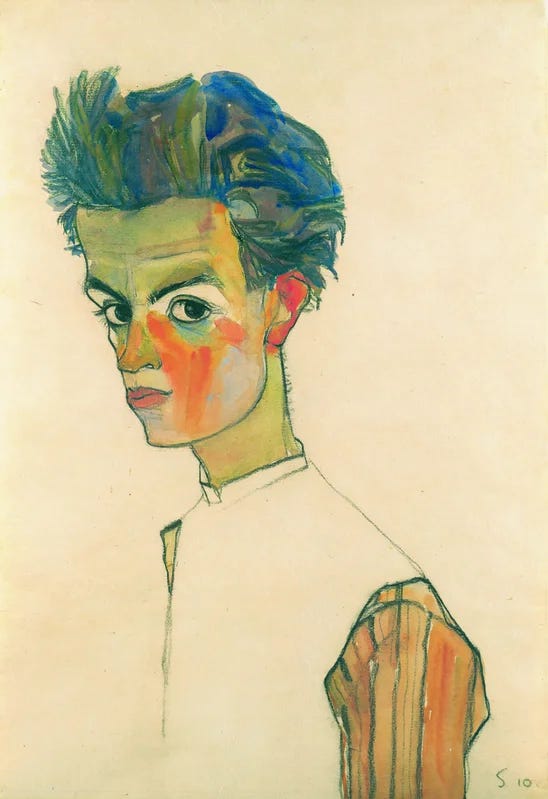
It can lead to them starting to emulate more and more of the symptoms to fit the diagnosis they found on the discord servers, as a result their anxiety worsens and worsens.
This is called(funnily enough using therapy speak myself here) the Looping Effect. The unconscious change of behavior to fit a diagnosis better, leading to disorder to become more ‘real’ for them.
If they then go to their parents who are fond of therapy-speak, who (in some cases not all) confirm the teenager’s anxiety as something pathological, confirming that they actually do have something unchangeable inside them.
The view of them being ‘the person with an anxiety disorder’ only gets reinforced and reinforced, even though if they never knew what it was in the first place, they would perhaps even already have moved on from that feeling. The reinforcement of this label, leads them to feel more certain about who they are, but they do have to pay the price of believing or in their case knowing that there is something intrinsically wrong with them, which is permanent.
As you see in this example, there’s a teenager who deals with something relatively normal for their age: anxiety. You see how that normal experience can evolve into a permanent identity, with a major contribution of that being the use of therapy-speak.
Instead of being given the freedom to experiment with different identities like they can when they dress more preppy at school which they can immediately change, it gets confirmed by the outside world as something pathological and permanent.
This is in my opinion incredibly dangerous for the development of teenagers and adolescents. During the time that they’re most fluid, they can get a diagnosis by their environment or Reddit server, because of symptoms they show that easily could have disappeared with age.
The same can be true for gender dysphoria. In my opinion teenagers should be able to doubt about their gender identity, without something permanent being attached to it and especially at a time where they get most confronted with their gender, because of puberty. So if you give a 15 year old for example medication which will permanently alter their body, it can be incredibly harmful for them in the long run. They never got the chance to outgrow their doubts.
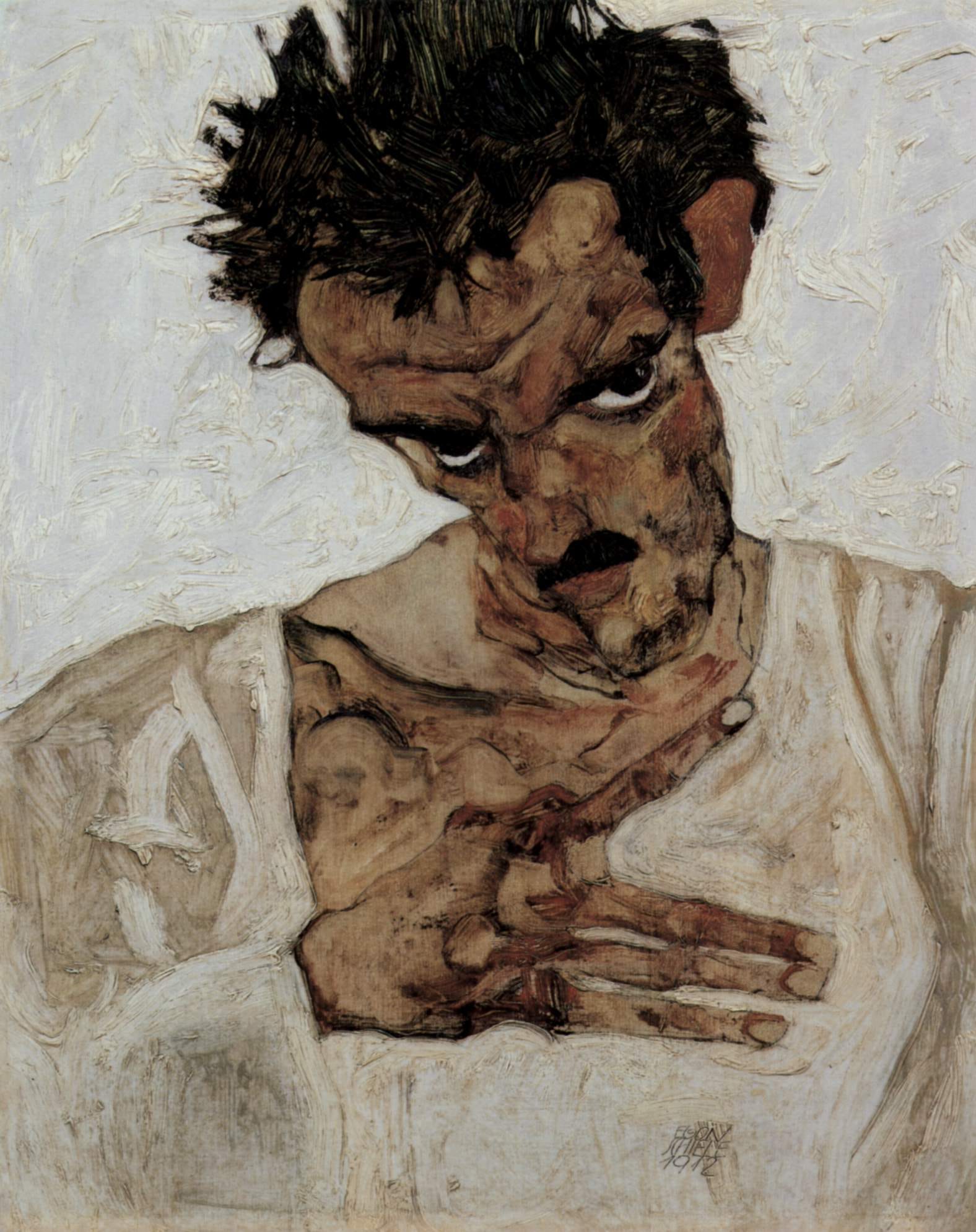
They lose the freedom to change their mind, to change altogether. But instead their insecurities or uncertainties get an official label which can haunt them for the rest of their life.
Coming to a conclusion I think that parents should try to put things into perspective for their children. Most of the stuff they think or feel today is different the next day and forgotten a week later. So when they get confronted with these online groups or terms used in psychopathology it’s best to put their worries or uncertainties into perspective and communicate with them.
Let them know that they’re at an extremely vulnerable age and that most people, if not all go through such feelings and insecurities. How their aunt or uncle did things too which were questionable at their age, but that that is still no reason to think that they were abnormal. It grounds them in knowing that they’re okay.
Perhaps if that now grown-up aunt worries about something regarding her mental life, people should try to do the same thing as I just described they should do with their children. I hope that if we as a society would put this more into practice we can feel more acceptance about our sometimes painful and weird, but still paradoxically normal behavior.
There is nothing permanent. Rich people don't even have to keep s label of Depression or Bipolar. Naturopaths can get them off medication and they aren:t forced to deal with constant psychiatric appointments or stigma. It really is an lying hoe people see diagnosed as unchangeable. Psychiatric Disorders are just like any other disorder of the body like cancer or diabetes and one day scientists will find keys to really treating these problems.
Yes brilliant points,common sense spoken