


Often in life, we’re only aware of our happiness after it passed. When we feel it, we don’t notice; we only notice its loss. This leads us to not appreciating our happiness to the fullest. We forget to acknowledge it.
Me personally, I often notice this phenomenon with beautiful architecture, in Vienna for example, my favorite city. When I was there, there were numerous beautiful baroque buildings, with many very well precisely detailed stone figures on them. In Vienna beauty was taken seriously. On the first day I was intensely struck by this, the effort, the almost divine feeling it gave to me. Whatever we humans were meant to do, this was a part of it.
A week later, I sometimes still noticed it: the statues, the colourful wall paintings, but I started to neglect the city its imperial grandeur. I had already seen it now, I already ‘got it’, what is there left to appreciate anyway? Don’t I deserve to live in such a place?
Tracing back to the part about happiness, don’t I deserve to be this happy?
Only after I came back to my town in the Netherlands, I truly began to remember how gorgeous Vienna actually was. Only when I was deprived of witnessing such beauty, I began to understand that the stunning elegance which the city radiated wasn’t given.
The conclusion I drew from this is the following, only when accepting that nothing is given or you have no right to anything, only then you can fully appreciate every bit of that thing that is given to you.
You have no inherent right to be happy, grasping this truth makes this state feel like a gift, rather than it feeling like something which has to be true no matter what, because you deserve it.
Instead of expecting some baseline of fulfillment, which would inevitably lead you to neglecting every bit of happiness under that baseline, you grasp each and every bit of it.
An act which makes this appreciation of joyful and beautiful things easier, is starting to practice active gratitude. In our day and age we tend to feel like the thing which makes us happy has to be big enough in order to be worthy of making us, great conquerers of the universe, grateful. This perhaps pleases our fragile egos but it also takes lots of joy from us, instead of finding big fish to be happy about, we should try to even find beauty in the smallest fish of them all.
After all, isn’t it more beneficial to reap the most fruit from the smallest bit of soil?
I sat in my garden the other day and the entire year the tree leaves had been brown or weren’t even on the tree at all. I saw the leaves shining with beautiful colours, I often force myself to have big worries, a worry worth worrying about, but somehow I felt like this was the answer. A beautiful leaf, from a tree, the fact that I could recognise its significance meant I already had won.
At that specific afternoon, at my specific age, I witnessed a leaf, a leaf illuminated by rays of lights which had already passed. A moment which will never return, but yet, a moment I fully appreciated, a moment fully lived.
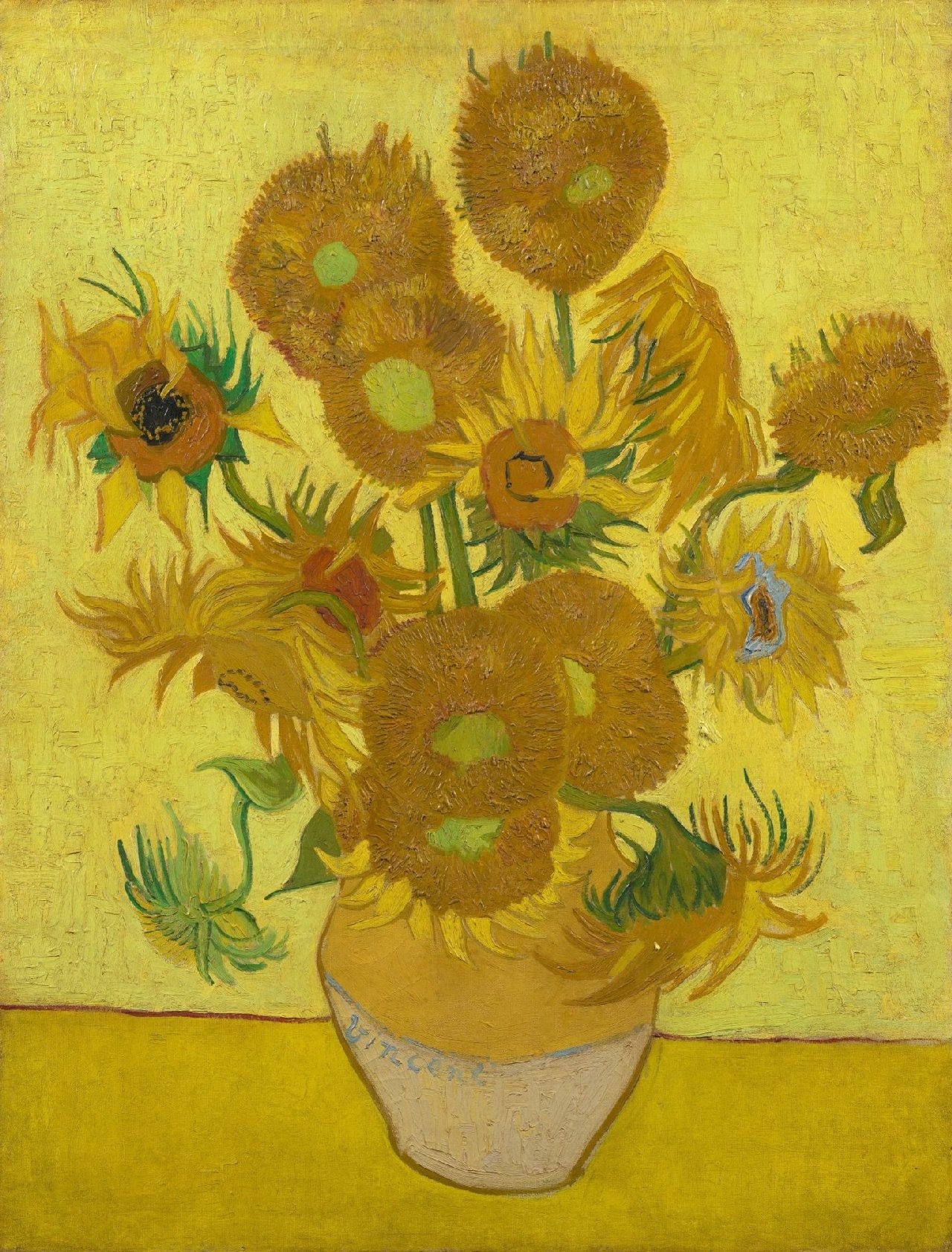
Dostoevsky wrote about this in his book, The Idiot, a book where he, through the fictional character, gave an autobiographical description of his near-death experience. He was scheduled to be executed and as the policemen held their guns towards him, he looked at the rays of light the suns emitted. He saw how they hit the church and how beautifully the church reflected this light.
Seeing this, brought him into an ecstatic state, he realized he was as transitory, as those rays. Despite(or perhaps because) of this he was convinced to have lived for an eternity in that moment. All moments pass, but in that moment he truly was.
The execution turned out to be just a threat, the guards shot blanks, after which Dostoevsky developed epilepsy. This experience fundamentally changed him, an experience which taught him to live in the moment, I’m unable to think of a better or more terrifying way to truly embody this lesson than his.
After having written this(also a reminder to myself), I hope you, the reader, are more able to find joy and beauty in the everyday world, instead of waiting for some grand event which is actually worth being celebrated.
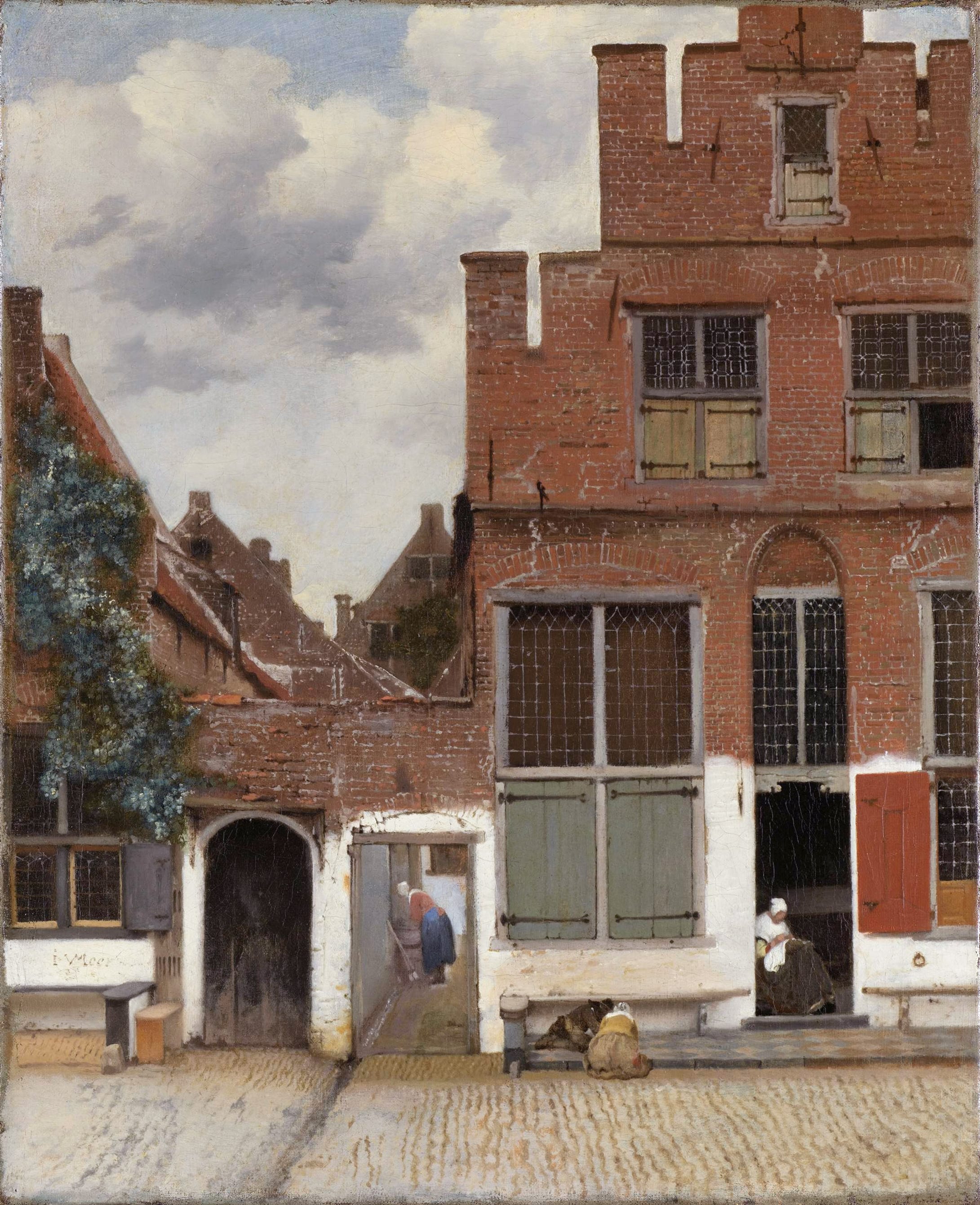
I thought I would finish this essay with a painting by Vermeer(Dutch just like me), as he masterfully manages to show the beauty of this everyday life. He paints the most ordinary occurrences in our daily procedures as if they’re something of unignorable importance, which is something we as people who live in a world which mostly made up of ordinary occurrences should strive to do as well.
I'm happy to have read this ! especially liked the Vienna anecdote . your observation that we often only recognize happiness once it is absence felt very true to me. I also loved the ending.
Beautiful work. Venice is my favourite city as well. Thank you for sharing this post.