


Sometimes I wonder, what are we actually striving towards? What do we as humans actually want to achieve? We have in our society and language all these idioms and sayings: “The truth will prevail”, “Honesty is the best policy” or “love makes the world go round”
We all know these values: truth, freedom, loyalty, love, equality, safety, justice and beauty. These are all values we try to honor during our lives, although it seems to me that we’re rather uncertain about what they actually mean and how important they actually are for our lives.
When reading different philosophers for example; they all seem to argue mostly from a different angle: some view everything through a lens of freedom and others through one of equality, while there are certain people viewing everything humans do as a manifestation of the will to power.
I think It’s fair to say that most of us can agree with most of the statements made about these values, ‘freedom should be prioritized’ for example, though at the same time we can agree with another statement ‘equality before all’. They seem not to go hand in hand and due to that the values run into a conflict. We try to solve a problem approaching it from different angles, from different values.
We can partly blame this on the fact that our brains are advanced, but not (yet) supercomputers. We have difficulty with having a complete holistic view of a situation such as politics, leading us to narrowing certain problems down to one value that we use to make sense of the question at hand.
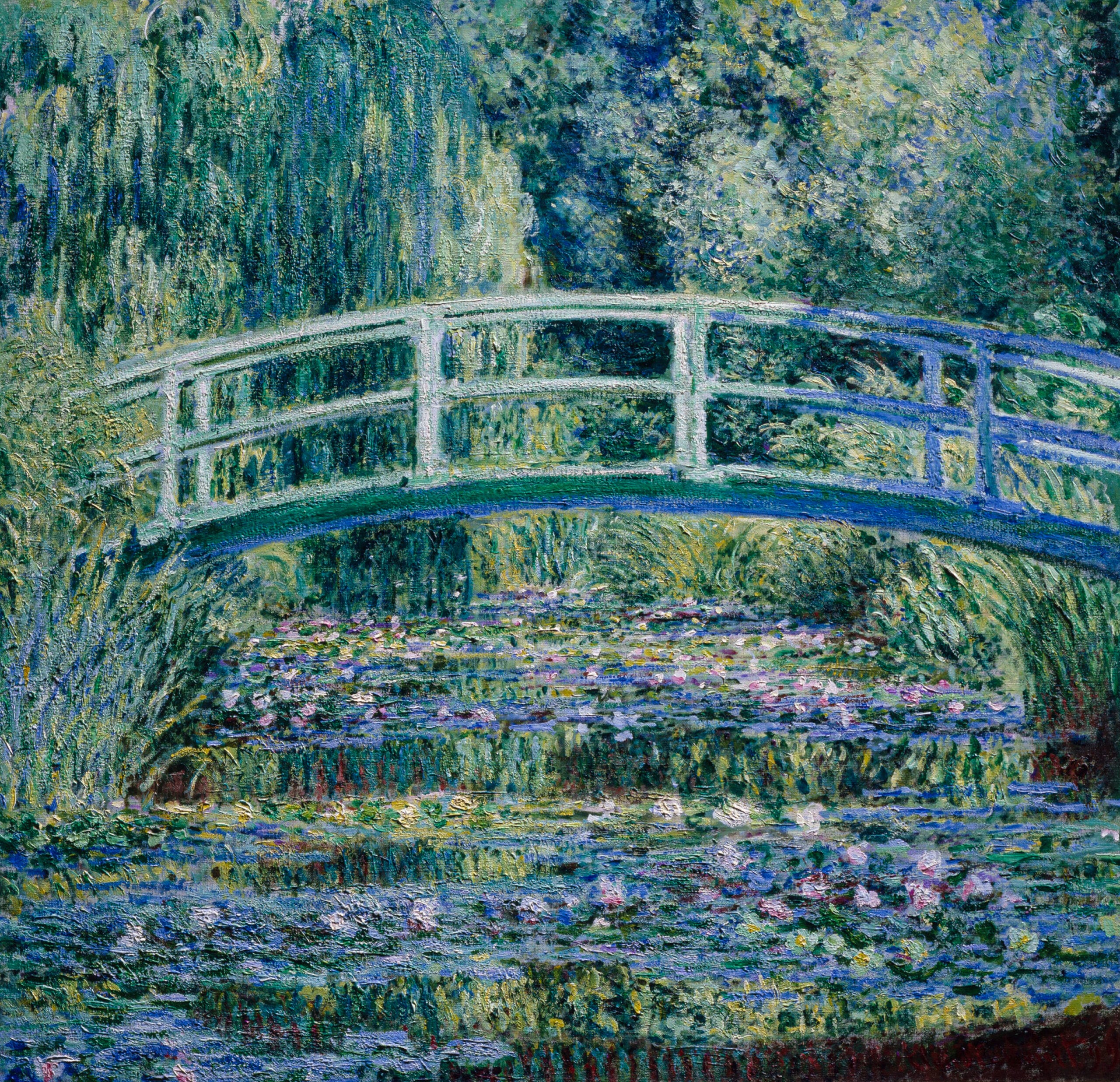
But are these values all equal? Is freedom worth as much as loyalty? Would I rather live in a beautiful, but fake world? All these values seem to be quite unweighted, they’re weight seem to be asserted by your mood and the context in which they’re used.
Truth as a value has a significant lower value when you’re playing with a child, although that completely changes when you’re in a court case for example. Leading from this, we can’t assign a fixed importance towards a certain value. But how can we manage to assess all of them holistically when they can be so hard to keep good account with all of them?
A tool that can help with this is the pen: writing. Writing allows you to hold a thought for a long time, forcing you to think critically and evaluate it from all angles available. You can evaluate it a day later and are more able to touch the struggle of these sometimes messy concepts of right and wrong or beautiful and ugly.
As we just asserted it seems that most values are highly context sensitive, though I wonder: Is there one that ascends the power of context?
Context seems to be so important, because it shows the object in relation to the world. It helps us to evaluate the actual worth of the thing at hand.
I think that this power of context, shows us how variable our sense of worth and value actually is. It reveals to us some side of a certain worth that pure abstraction never can, that’s partly why the analogy is so important.
An analogy, certainly in philosophy, often tells us the morality of a certain act in a certain situation. The certain situation seems secondary at first, however it’s the make or break for the value being promoted by the thinker. It shows us when and where something is and isn’t appropriate, providing us with nuance, with more skills helping us to give the right place to the right value at the right time.
To come to an conclusion, I think that this is what moral philosophy should try to focus more on: is not what is the most important, but when something is more important.
Living a life where our values aren’t fixed, but instead one where we learn to deal with the variability of them. Helping us to give them their deserved place given the situation, so that from there we can act in that situation in the most moral way possible. We shouldn’t learn about the good choice, but how to make the good choice.
This is why I always tend to overexplain in my voice notes
You should try reading Aristotle’s Nichomachean Ethics. He kind of touches on this with his idea of virtue being the mean between two extremes of vice