



Literature often teaches us lessons; we get a moral of the story and can then apply it to our lives. When I first read Franz Kafka, I was curious
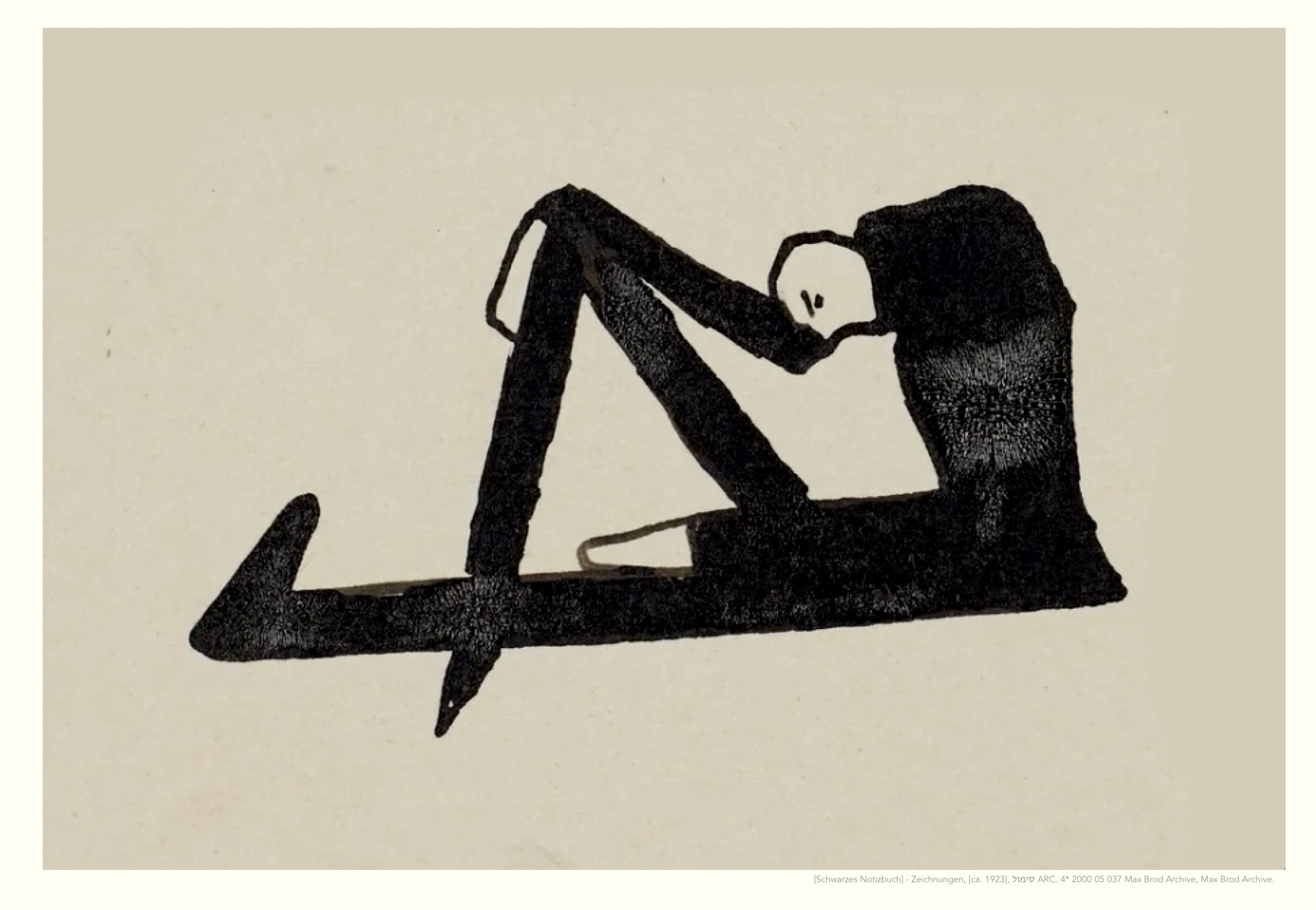
what lesson he would teach me, but instead of a novel insight, he made me experience a reality where no lesson, however profound, could save you from misery. Found guilty of deeds you didn’t commit, persecuted by laws you didn’t know existed and judged without knowing what you’re judged for. These themes of being unable to defend yourself, make the right choice, or even have your own voice run deep through the novels of our former lawyer. Although he became famous for his books, Franz Kafka also made drawings, and the sensations he tries to describe in his books appear in his art as well.
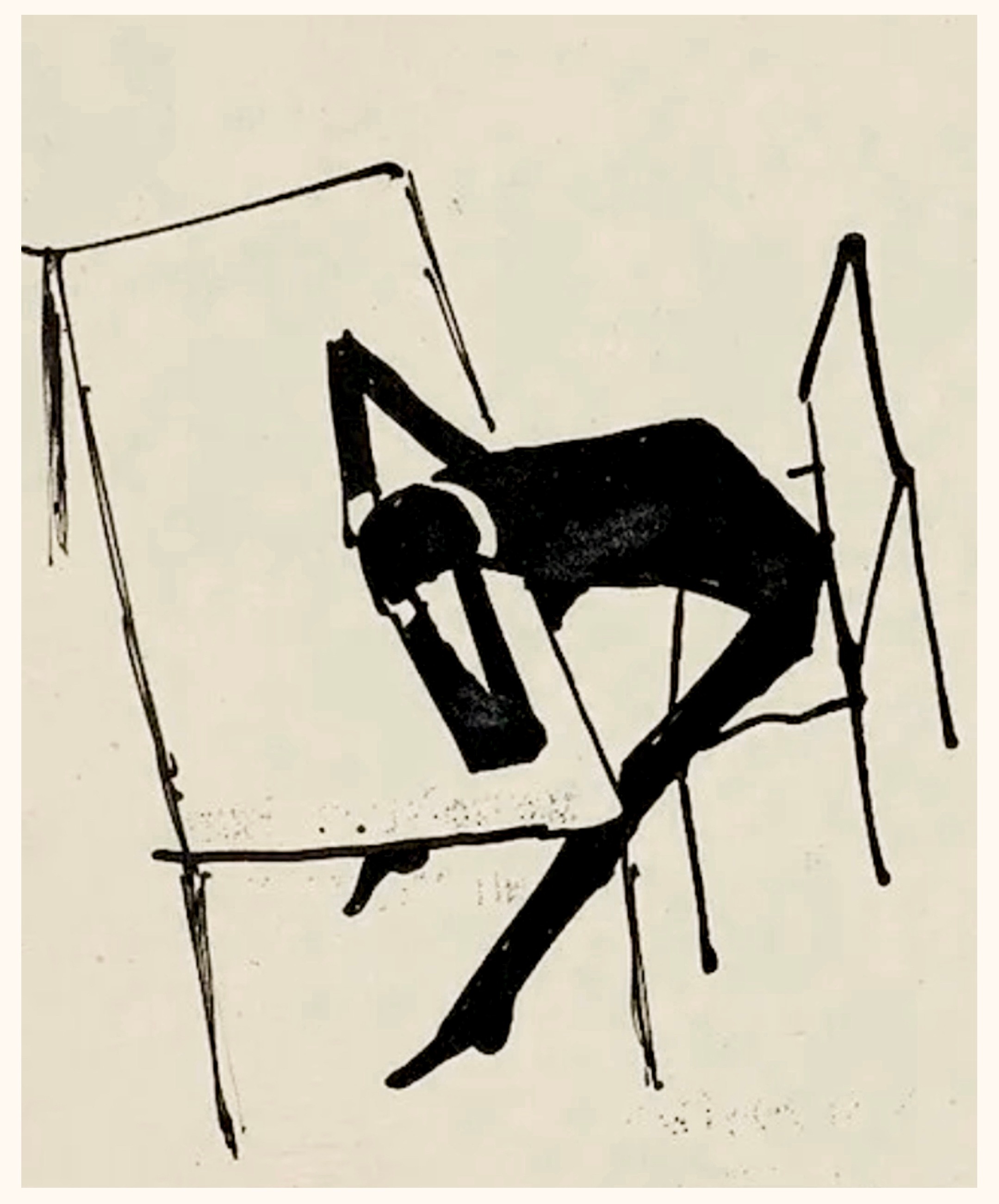
In 1913, Kafka sent a letter to his then-fiancée, Felice Bauer; in it, he included a drawing of a man sitting in a chair and asked her, “How do you like my drawing?” The man looks defeated, his head on the table and his face buried in his hands successfully closing himself off from reality. Just like the characters in his books give up on fighting the overwhelming forces they face, this figure seems to have done the same.
Kafka took drawing more seriously than many might think; he regularly took drawing classes and attended art history lectures. In his testament, which he wrote to his friend Max Brod, he famously asked him to burn all of his writing; everything he had left behind on this world should go up in flames; all traces of the man should be erased from the planet, which should include not only his writing but his drawings as well. Thankfully, his friend didn’t obey the wishes of our dear writer and artist and carefully preserved all of his work.
There was a time, around 1906, when he actually considered himself more of a sketch artist than a writer. This didn’t last long, as he described losing his talent and his passion for art after a ‘mediocre woman painter’ taught him to draw in the scholastic system. Considering his aversion to rigid systems, this helps explain why that experience extinguished the fire he once had for the craft. Despite him giving up drawing as his primary occupation, he still sketched lots whilst he was writing his books, as it supported his thinking and writing process.
Kafka’s works trigger the imagination, often leaving readers with a vivid visual scene in mind as they read. Perhaps this is partly because of the strange motifs and objects he uses: an apple thrown at a human-sized beetle, two cops standing in someone’s bedroom, or a night in a school classroom. All these surreal and absurd scenes can’t help but make our minds produce imagery we’ve never experienced, imagery that begs to be put on paper.
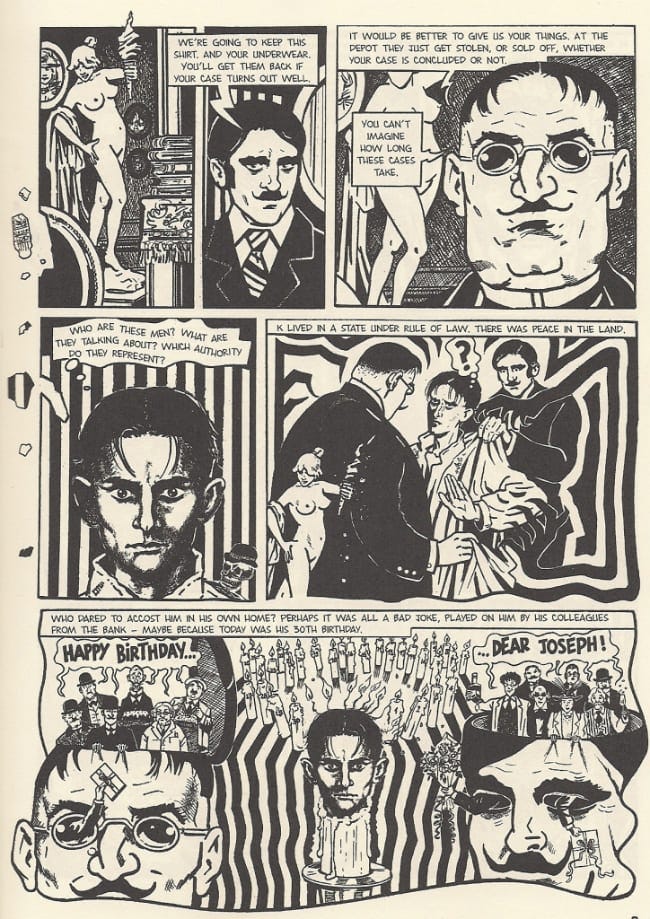
This is done all too well in the graphic novel adaptation of The Trial by Chantal Montellier and David Zane. The dreamlike unstructured chaos of the drawings perfectly mirrors the absurd imagery of The Trial; a candle merged with K.’s head, faceless bureaucrats and geometric patterns wobbling in the background all leading you to sense that same absurd feeling of being trapped by organised chaos.
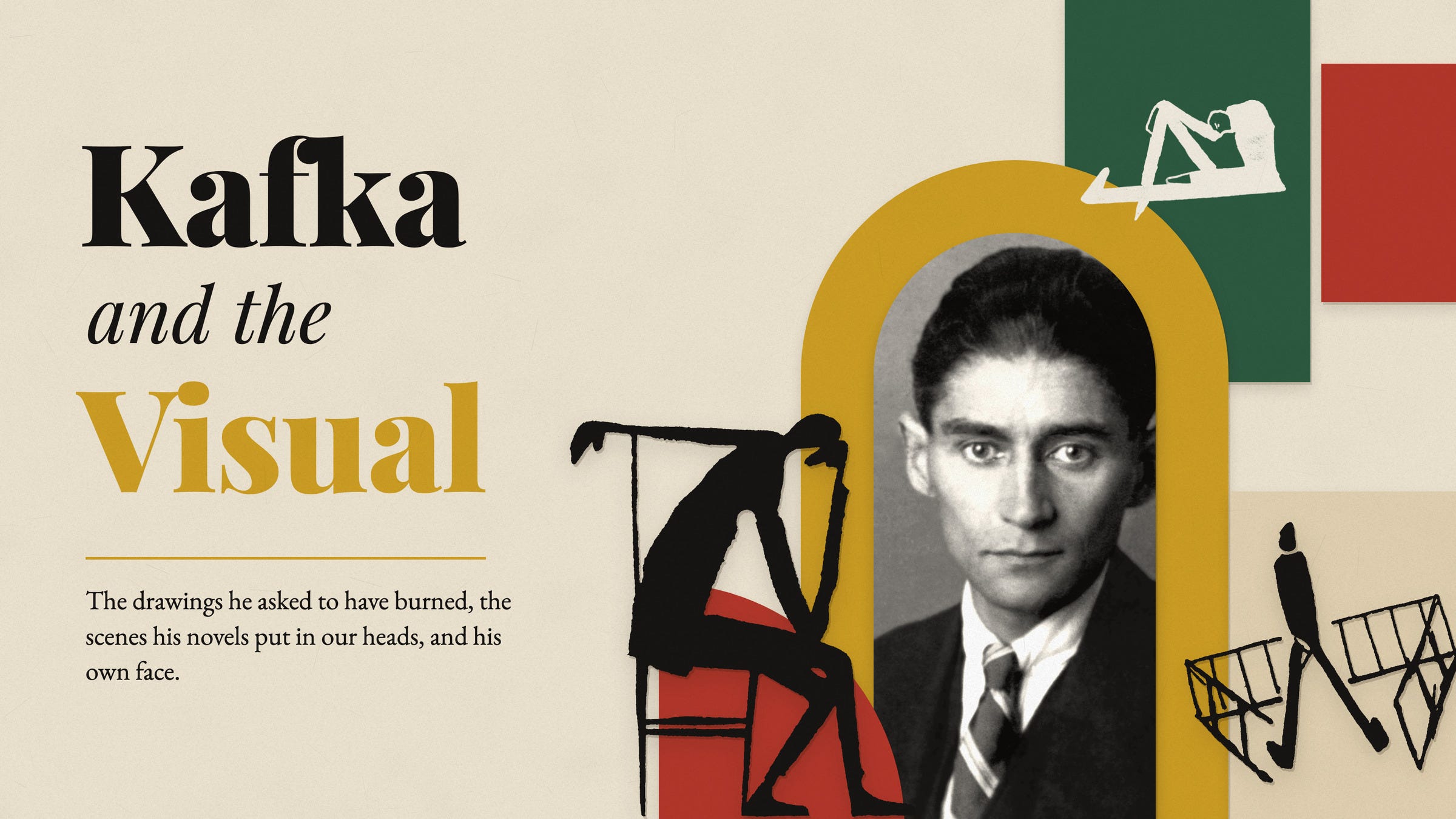
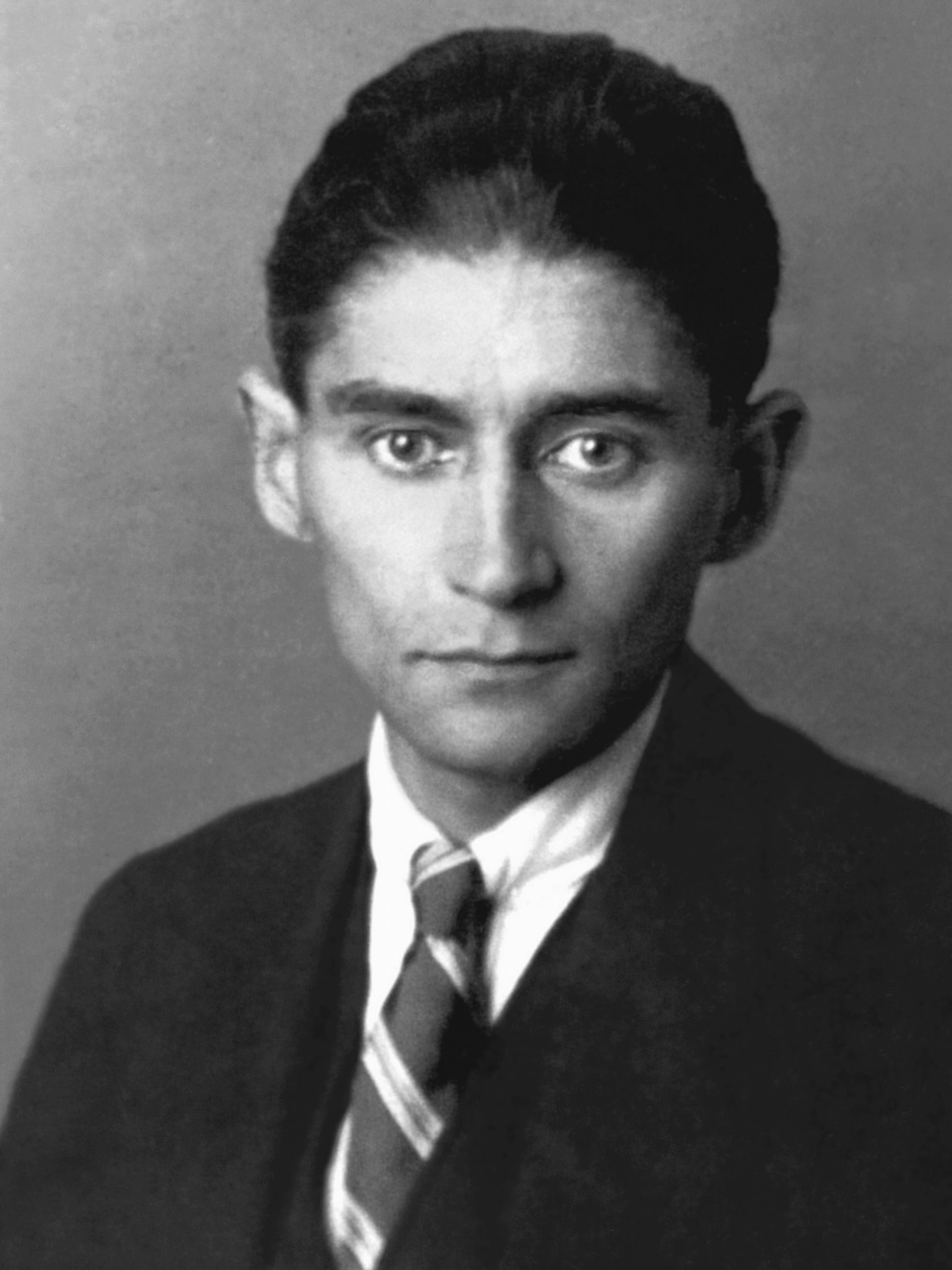
Lastly, there’s another visual component that makes Kafka’s work so special: his portrait. In his own photographs, you see a tormented man, a man whose gaze has an intensity that can only resemble his own characters’. Trapped by bureaucracy, a pretender who is the best at the job he hates, already given up on an escape without being offered the comfort of surrender, feeling the pain of being swallowed up by the system just as sharp, this man is what all his fiction aspires to be. The ultimate Kafka character is Kafka himself.
it’s philosophy is free: a new essay most weeks, on one question from everyday life.
If you know someone who draws in the margins, send them this.
If this kept you company:
The Eternal Witness: Conscience in Dostoevsky’s Novels

During Joseph Folley’s book club I made a comparison to Ivan Karamazov from Dostoevsky’s The Brothers Karamazov and Bazarov from Fathers and Sons by Turgenev. The reason I compared the two was because of their shared faith in rationality, holding in aspiration to become just as indifferent to feelings as the laws of physics are, the most striking factor they held in…
The Unbearable Complexity Of The Individual

There are many ways to define people, we can do this socially, economically, politically or by their music taste. In a sense the individual is limitless, meaning that he/she can be defined through an almost infinite amount of dimensions or categories. This makes it rather hard to fully capture a human being in its entire essence, even a single person ca…