


Physical pain. It’s so strange, one moment you’re inside your head, worrying, and the other you feel, you feel something attacking your body. All the worries you have, suddenly, gone. All the attention is just focused on the place where the damage has been done: the wound. It’s almost meditative, I have never lived as much in my body as when I was physically injured.
A mind that goes beyond space and time crumbles, the only thing it's able to focus on being the wound. All consciousness and being completely shifts from a diverted chaotic mess, looking into multiple scenarios and discovering different thoughts, to blood pouring out of an arm.
I couldn’t worry, the music playing in my head had stopped and all I could was feel and focus on this terrible raw sensation, as if I was a child. The pain leads you to feeling feeble, fragile, the independent thinker begins to realise he lives in a dependent body. He built a beautiful life but if the blood doesn’t stop pouring out it will all be gone.
How could it be? An inner life so complex and multi-layered, a personality that even one of the best psychoanalysts wouldn’t be able to dissect and yet, if you keep lying there, bleeding on the stairs, your body will crumble as well as this higher mind you think yourself to be and perhaps even are.
Your god given soulmate her only purpose has become just to get you a bandaid, a bandaid as soon as possible. A person who God himself has intentionally crafted to be by your side has turned into a mere means to an end in order to stop the bleeding. Aren’t you too important, too conscious, wouldn’t this individual be invincible to the simple consequences from a knife?
Camus writes about this in his novel La Peste. An epidemic spreads around the city, a primal disease like the plague which used to kill peasants in the dark ages and certainly not the people of higher Algerian society. Against all expectations it did. The privileged died as quick and with as much pain as the peasants, the plague didn’t seem to differentiate between the body of a simple farmer and that of the intellectual.
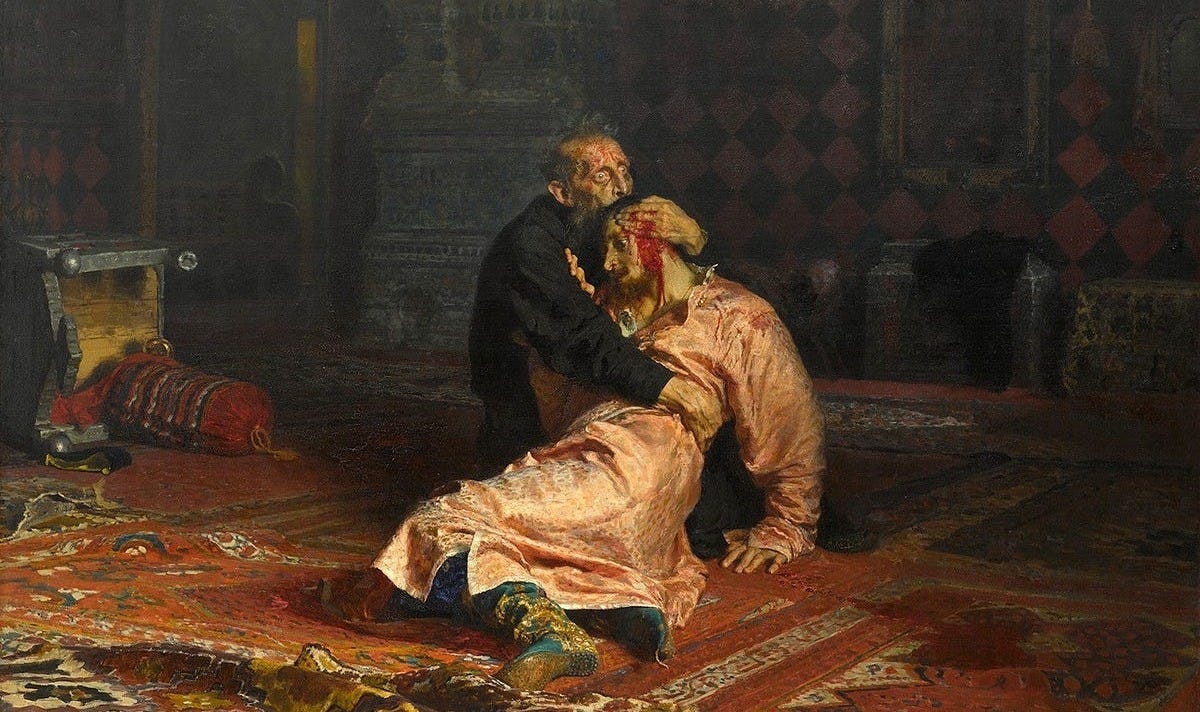
What Camus in this novel tried to get across, in my interpretation at least, is the absurd circumstances in which we live. We live with all these ideas of ourselves and others, assigning values to everything around us, values which the universe doesn’t seem to respond to. The people invent gods and whether they pray zero, ten or a thousand times, their bodies will all rot the same. The people look for meaning and the universe gives no answer.
There is none, you can find what works for you, though you should be aware that it working for you is the highest purpose receivable, as, given our circumstances, purpose is and inevitably always will be entirely subjective.
A human sensation which perfectly resembles this absurd condition is that of physical pain. While La Peste very elegantly managed to show the absurdness of physicality and death on a macro scale, Tokyo Ghoul, a manga published by Sui Ishida, has in an extremely precise and visual way shown me the impact the sensation I described in the first paragraph has on the individual. Pain. This sensation reaches its maximum both in pain and absurdity during one of the most cruel acts that we humans are capable of: torture.
The story is about an adolescent, Kaneki, a human who through a surgery becomes half human half ghoul. Ghouls are essentially the same as people in their appearance, however they’re only able to eat humans and also have certain powers like being very resistant(this will become important later on).
Kaneki’s body changed and as a result his entire internal life changed. The whole mental identity transformed because of a physical change. Me personally, I think this alone already shows us how much our body is connected with our picture of who we are and most importantly how this influences our picture of our non-material identity, commonly being referred to as the soul.
Now the second part I wanted to address, the part which made the most impact on me personally, the torture. The boy still struggling to adjust to the person he became, got kidnapped and tortured. His toes and fingers kept being cut off, again and again, his new ghoul body kept growing them back, reminding him every time of the monster he has become.
I just couldn’t imagine it, the sharp feeling, again and again and again. Your rational mind can convince you of anything and still it wouldn’t change anything about the situation you’re in, about the clipping tools in front of you. This torture, something which went on for days, broke him. Kaneki’s entire personality, soft and gentle, radically transformed into a cruel, overprotective and merciless killer. The way to destroying his soul began by torturing his body.
Here again, the thing affecting your body seems to affect your soul just as much. His soul seemed as damaged has his body and his soul died together with his body, in the snow. His personality after the act was so completely out of control that he wasn’t able to live anymore, he got defeated, lost his memory and lost his identity. Just like the scars weren’t erased from his body, the deed hadn’t been wept from his memory.
But, eventually, slowly he started to reconcile what happened to him, slowly letting himself be the person he is, slowly letting his body move the way it used to. Integrating the torture into his soul, without it completely destroying who he was, just like his body had been knitting his wounds together without falling apart.
A soul touched through its body. The object which always seemed to be the barrier turned out to be the gateway. A bloody gateway.
I enjoyed reading this, and i tend to find a lot of your articles relatable. It's almost like a coincidence that in my lastest post i made reference to the same scene. And just a few days ago i was thinking of the different ways the experiences of body affects the soul.
So it's just beautiful to me, how you've portrayed the effects of physical pain on the mind and soul through Tokyo ghoul.
Exquisite!
I like how you ended it!